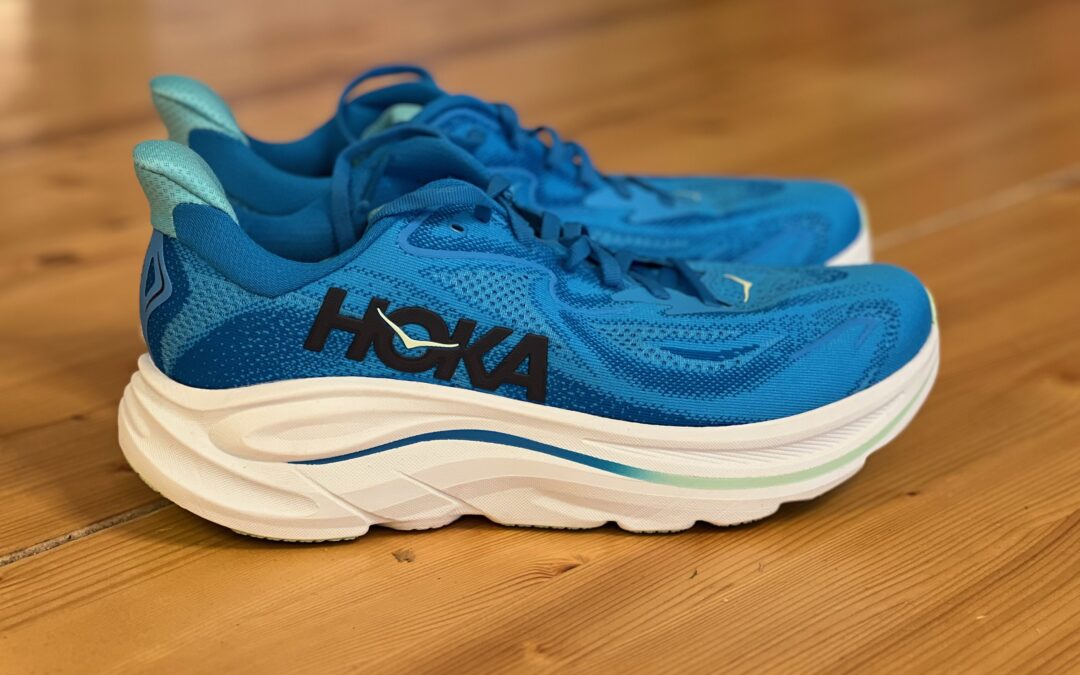
In our running shoe consultations, we see every day that not all shoe sizes are the same. This is because shoe sizes are calculated using different systems. In addition, the last—that is, the shoe’s last—is also a key factor. This primarily affects the width. Below is an overview of the various methods used to calculate shoe sizes and a corresponding conversion chart. However, the only way to know if a shoe really fits is to try it on. Shoe size is merely a guideline.
European sizes
In Europe, there are two main systems for calculating shoe sizes:
- The French system, in which one shoe size corresponds to 2/3 cm (approx. 0.6667 cm) (ParisianorFrench sizes)
- the "German" system, in which one shoe size corresponds to 1/4 inch (0.635 cm).
This also explains why shoes appear to vary so much in size, as they are produced according to one system or the other depending on the country of manufacture. Denmark, for example, uses the French system. For instance, a foot length of 28 cm corresponds to a size 44 according to the “German” system, but only a size 42 according to the French system.
A size 40 shoe is 40 x 1/4 inch = 10 inches, which is equivalent to 25.4 cm. For women’s shoes, however, the size specifications above size 38 often deviate significantly downward in order to “create” a smaller foot.
The average shoe size for men is 44, and for women it is 40.
U.S. sizing system
Shoe size · 1/3 inch + 7 1/3 inches = foot length in inches (note: this applies only to men)
Japanese size chart
Shoe sizes listed in cm.
Table The following table can be used to convert shoe sizes between different systems (US, UK, European).
| Shoe size | Length in cm | UK | United States | Japan | |||
| – | – | Women | Men | Women | Men | Women | Men |
| 34 | 21.7–22.3 | 2 | – | 3½ | – | 22 | – |
| 34 2/3 | 2½ | – | 4 | – | 22,5 | – | |
| 35 1/3 | 22.4–23.0 | 3 | – | 4½ | – | 23 | – |
| 36 | 3½ | – | 5 | – | – | – | |
| 36 2/3 | 23:1–23:6 | 4 | – | 5½ | – | 23,5 | – |
| 37 1/3 | 4½ | – | 6 | – | – | – | |
| 38 | 23.7–24.3 | 5 | – | 6½ | – | 24 | – |
| 38 2/3 | 5½ | – | 7 | 6½ | 24,5 | – | |
| 39 1/3 | 24.4–25.0 | 6 | 6 | 7½ | 7 | – | – |
| 40 | 6½ | 6½ | 8 | 7½ | 25 | 25 | |
| 40 2/3 | 25.1–25.7 | 7 | 7 | 8½ | 8 | 25,5 | 25,5 |
| 41 1/3 | 7½ | 7½ | 9 | 8½ | – | 26 | |
| 42 | 25.8–26.4 | 8 | 8 | 9½ | 9 | – | – |
| 42 2/3 | 8½ | 8½ | 10 | 9½ | – | 26,5 | |
| 43 1/3 | 26.5–27.0 | 9 | 9 | 10½ | 10 | – | – |
| 44 | 9½ | 9½ | 11 | 10½ | – | 27 | |
| 44 2/3 | 27:1–27:7 | 10 | 10 | 11½ | 11 | – | 27,5 |
| 45 | 10½ | 10½ | 12 | 11½ | – | 28 | |
| 45 1/3 | 27.8–28.3 | – | 10 | – | 12 | – | – |
| 45 2/3 | – | 10½ | – | 12½ | – | 28,5 | |
| 46 | 28.4–29.0 | – | 11 | – | 13 | – | – |
| 46 2/3 | – | 11½ | – | 13½ | – | 29 | |
| 47 1/3 | 29:1–29:7 | – | 12 | – | 14 | – | 29,5 |
| 48 | – | 12½ | – | 14½ | – | 30 | |
| 48 2/3 | 29.8–30.3 | – | 13 | – | 15 | – | – |
| 49 1/3 | – | 13½ | – | 15½ | – | 30,5 | |
| 50 | 30.4–31.0 | – | 14 | – | 16 | – | – |
| 50 2/3 | – | 14 | – | 16½ | – | 31 | |
| 51 1/3 | 31:1–31:6 | – | 15 | – | 17 | – | 31,5 |
| 52 | – | 15½ | – | 17½ | – | 32 | |
| 52 2/3 | 31.7–32.3 | – | 16 | – | 18 | – | – |