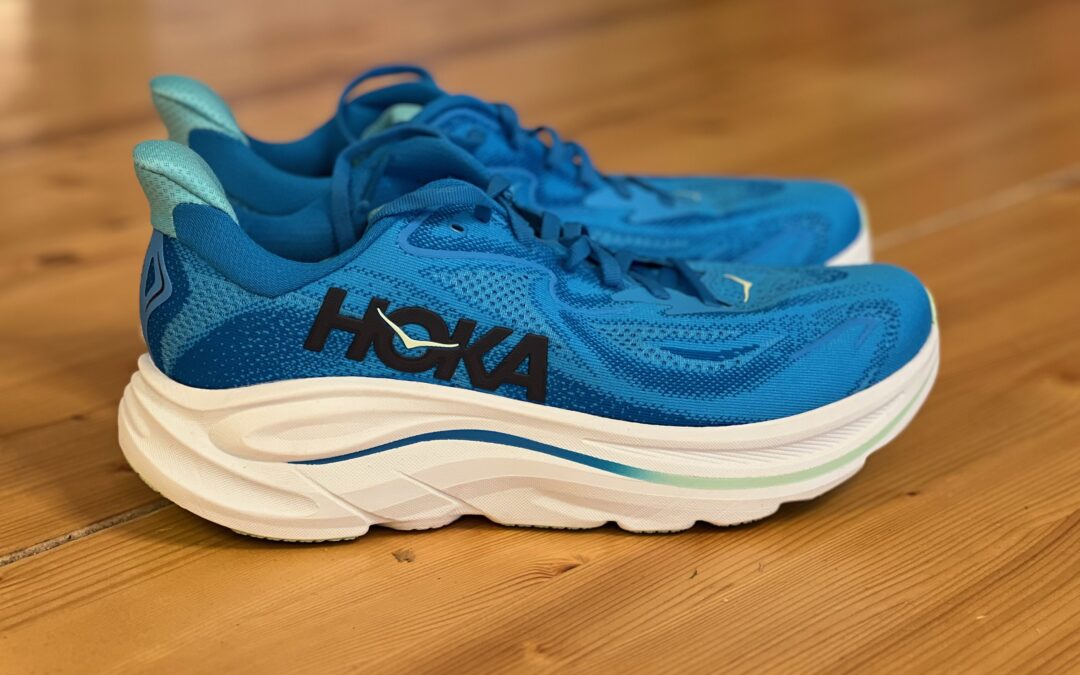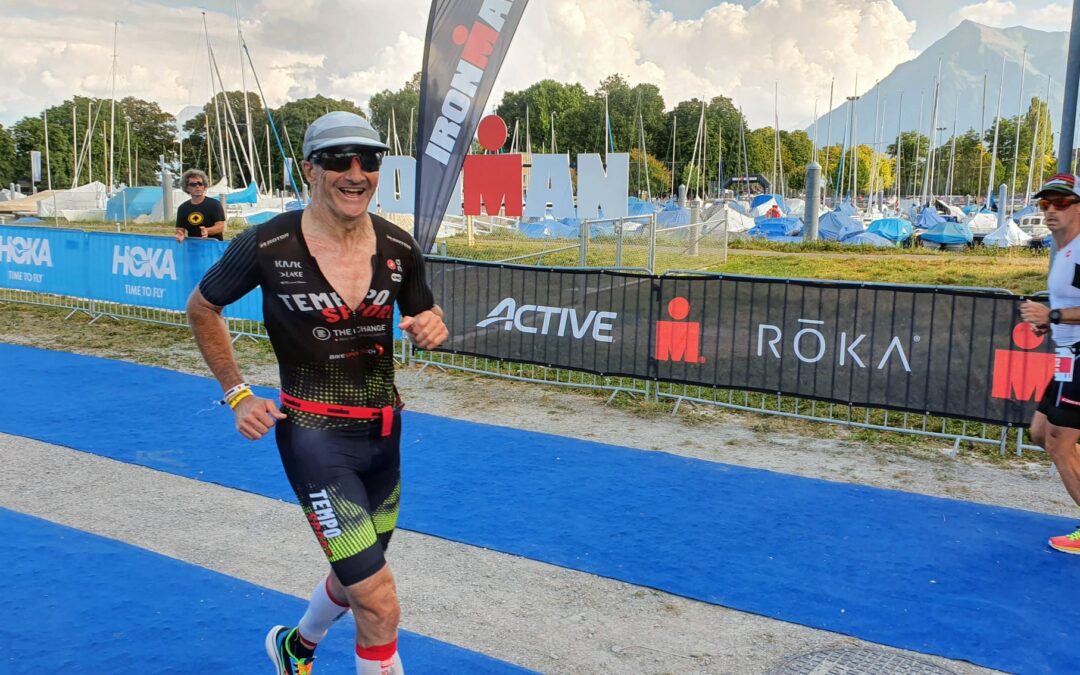
We're often asked how triathlon running shoes differ from running shoes for "regular" running. What should you look for? Here are the most important tips and tricks.
Let's keep it short: Basically, even in triathlons, running shoes should be designed for running and nothing else. So there are no fundamental technical differences between triathlon shoes and regular running shoes. And yet: There are a few things you should keep in mind
Pre-fatigue
After the swim—and especially after the bike leg—you start the run already fatigued. Sure, that’s logical. Yes, it is. But some athletes don’t seem to care much about that. They buy running shoes for the triathlon as if there were no pre-fatigue. In other words: Your running style is generally less dynamic than when your muscles are fresh. Especially on longer distances—certainly starting with the Half Ironman—this starts to take its toll by the second half of the course at the latest. A multiple winner of Ironman Switzerland and an excellent runner once told us that in his entire life, he’d probably only completed one or two Ironmans with a reasonably dynamic running style all the way to the finish. When it comes to choosing running shoes, this means: opt for a bit more cushioning and a bit more stability. If you prioritize the best possible aerodynamics on the bike, that’s smart. But if you prioritize the lightest possible weight and maximum dynamism in your running shoes, that’s often somewhere between overconfidence and recklessness. So don’t let wishful thinking or elite athletes influence your choice of running shoes too much; when in doubt, opt for a model with slightly better cushioning and more stability. A shoe that’s too dynamic and lightweight can actually be counterproductive under certain circumstances.

Are carbon shoes a miracle cure?
Look in the mirror and be honest with yourself: What pace do you really run at in a triathlon? Yes, there are certainly athletes who run very fast and with great dynamism. But they’re usually found in the professional or semi-professional categories. Exceptions prove the rule. So your choice of running shoes should also match the pace at which you run. And that’s where the magic word “carbon shoe” inevitably comes into play. Carbon shoes are all the rage, and you see them at many triathlons—even among age-group athletes. Fast, faster, carbon? Well: “They only really make sense once you reach a certain pace. Caution is especially advised when running while already fatigued. Just because they’re worn at the Olympics or by pros at Ironman events doesn’t mean they’re right for you,” says our running expert and triathlete, Carlos Cuenca. The real question here is: Are you fast enough for these shoes? Or even trained enough? Because the strain on your Achilles tendon and calf muscles is increased and requires the appropriate muscular conditioning. Be sure to seek advice here so you don’t make a mistake with serious consequences.

The right shoes
Now for the most important point: Regardless of reviews, word of mouth, professional gear, or great design, the most important thing is still that the shoe fits you—your movement patterns, your running style, your pace, and the distance you run. And there’s certainly no getting around getting a professional running shoe consultation.
Features of Triathlon Shoes
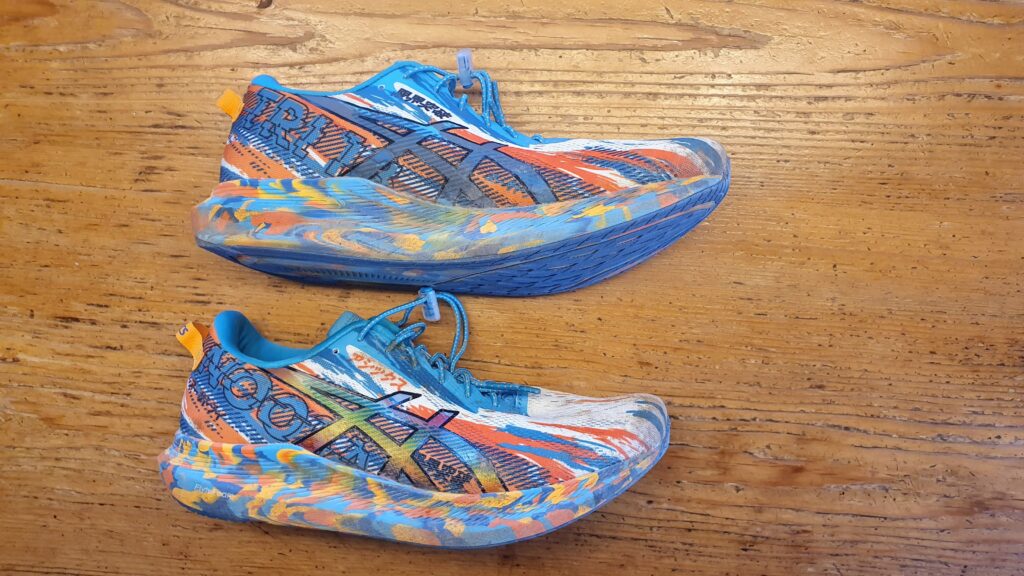
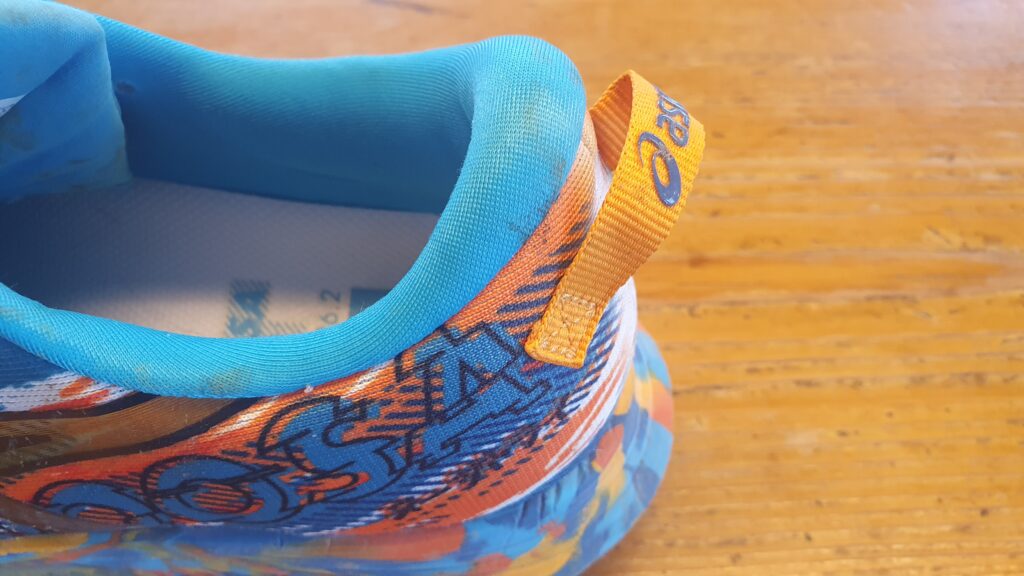
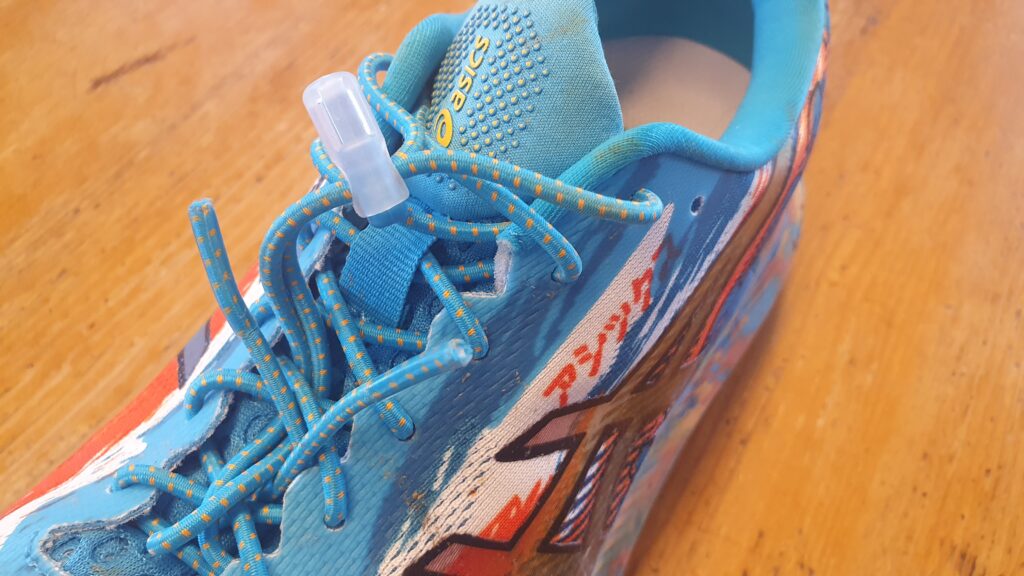
Yes, triathlon shoes do have their own unique features. Aside from their typically bold colors, the first key feature is undoubtedly the lacing system. Quick-release fasteners and elastic laces have become the norm to reduce stress and speed up transitions. These can also be easily retrofitted to (almost) any shoe. Some specialized triathlon models also feature a heel tab, which allows for faster and easier entry even when your heart rate is elevated. And last but not least: Do you want to go barefoot in the shoe (for shorter distances)? Then you should make sure there are as few seams as possible on the inside. This is the case with triathlon running shoes. In recent years, however, internal seams have also been disappearing from more and more conventional running shoes.
Conclusion
Specialized triathlon running shoes have become somewhat rare again in recent years. There’s a good reason for this: The most important thing is choosing the right running shoe—one that suits you and your needs. The most important triathlon feature—quick-lace systems—can be added later. So it’s much more important that you choose the shoe that’s right for you and not let yourself be guided too much by weight, performance, or technology (or design).